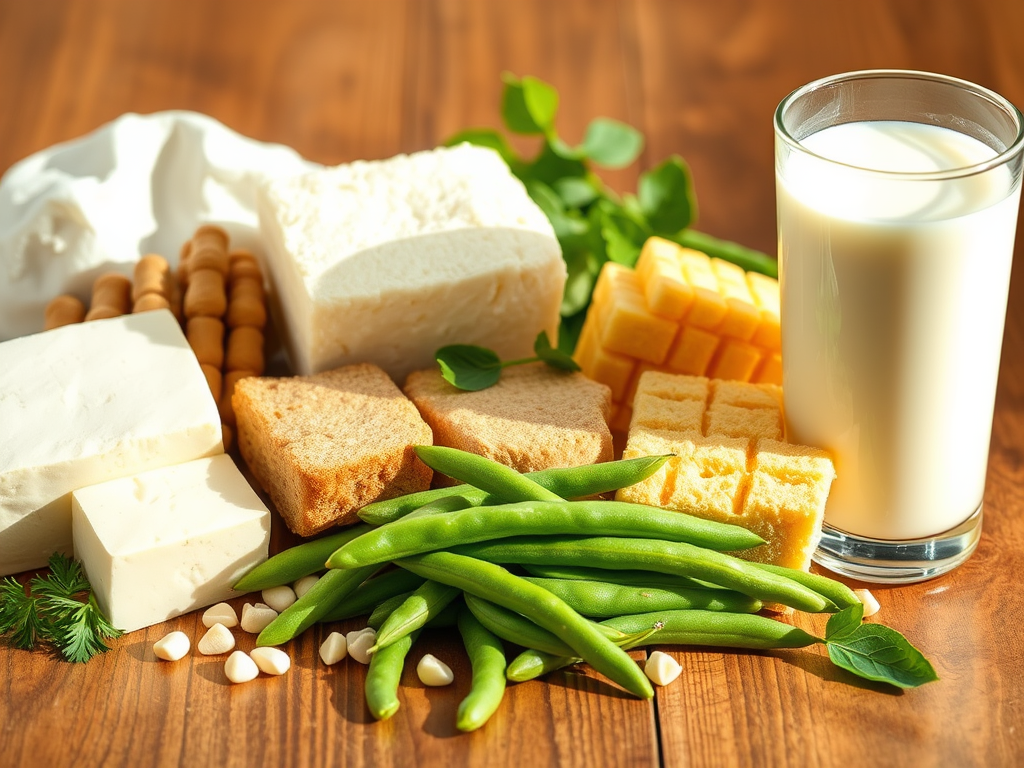
I want to begin this post by stating that I am a HUGE fan of tofu and tempeh. I love soy, and I have never experienced any negative effects. However, I recognize that everyone is different, and I will discuss, as unbiasedly as possible, all of the potential concerns and research, along with the many benefits that I truly appreciate!
I am by no means an expert on soy, but I have done my own research on the topic. I believe that for the vast majority of people, soy is not harmful, and the benefits significantly outweigh any negatives. Moreover, there is indisputable research indicating that meat has numerous negative effects on health, making soy a much healthier option in comparison. (I can elaborate on that in another post.) For now, I will discuss some of the obvious benefits of soy, followed by the common concerns people have regarding soy products.
The Most Obvious: Protein
One of the most common questions people ask about plant-based or vegan diets is: How do you get enough protein? There are countless plant-based foods that contain protein; however, one of the foods with the highest protein density is soy products.
Protein: Soy contains all 9 essential amino acids, making it a complete protein source.
(Protein per 1 lb)
- Soybeans (raw): ~30 grams
- Tofu: ~36-40 grams
- Tempeh: ~60 grams
- Soy Milk: ~7-9 grams
- Edamame: ~35-40 grams
- Meat Substitute (dry): ~160-180 grams
- Soy Protein Isolate: ~200-220 grams
In addition to protein, soy boasts a variety of important nutrients that are beneficial for health. It is rich in unsaturated fats, which have been shown to lower “bad” cholesterol levels. Additionally, it contains isoflavones like genistein and daidzein, which have demonstrated effectiveness in lowering blood pressure, reducing inflammation, and promoting overall heart health.
Soy is also low in saturated fats. Saturated fats are known to contribute to plaque buildup in arteries, which increases the risk of heart disease. In contrast, meat contains significantly higher levels of saturated fats. Therefore, replacing your protein source with healthier options like tofu or tempeh can lower your risk of heart attack.
Soy is High in Vitamins and Minterals:
- Vitamins and Minerals: Soy products are rich in several essential nutrients, including:
- B-vitamins: Especially folate, which is crucial for DNA synthesis and preventing birth defects.
- Iron: Soy can be an important source of non-heme iron (the plant-based form of iron), which supports healthy red blood cell production and energy levels.
- Calcium: Fortified soy products like soy milk provide calcium, essential for bone health. It’s particularly valuable for people who avoid dairy products.
- Magnesium: Important for muscle and nerve function, magnesium also supports a healthy immune system.
These nutrients help maintain overall health and prevent deficiencies in key vitamins and minerals.
Fermented vs. Non-Fermented Soy Products: What is the difference?
Non-fermented soy products are made directly from soybeans without undergoing any fermentation process. These products retain more of the original compounds found in soybeans, including antinutrients and other naturally occurring substances.
Fermentation is a process in which soybeans are exposed to beneficial bacteria, yeasts, or molds that break down the soy into simpler compounds. This process alters the chemical composition of soy and can make the nutrients more bioavailable, enhance digestibility, and improve flavor.
Common Non-Fermented Soy Products:
- Tofu (also called bean curd)
- Soy Milk
- Soy Protein Isolate
- Edamame (young soybeans)
- Soy Nuts
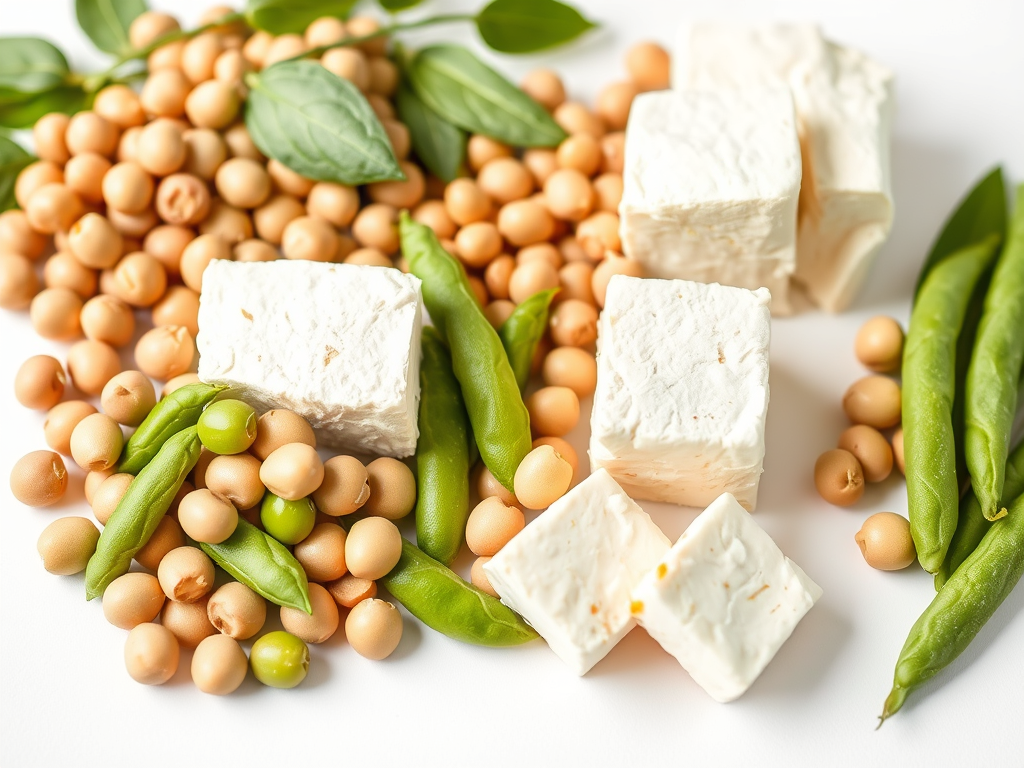
Common Fermented Soy Products:
- Tempeh – A fermented, firm soy product made from whole soybeans.
- Miso – A fermented soybean paste used primarily in soups and sauces.
- Natto – A traditional Japanese dish made from fermented soybeans, often eaten with rice.
- Soy Sauce – A salty, fermented soy product used as a condiment or in cooking.
- Fermented tofu – A type of tofu fermented in brine, often used in East Asian cuisine.
Comparing the Two:
1. Nutritional Benefits:
- Fermented Soy: Generally more digestible, with higher levels of B vitamins (including B12, in some cases), probiotics, and easier-to-absorb minerals like calcium, magnesium, and iron. Fermentation also reduces the presence of antinutrients, making the nutrients more bioavailable.
- Non-Fermented Soy: Contains more isoflavones (such as genistein and daidzein), which are linked to potential health benefits like heart protection, reduced menopausal symptoms, and possible cancer prevention. However, non-fermented soy also retains higher levels of antinutrients, which could hinder nutrient absorption and digestion.
2. Health Concerns:
- Fermented Soy: May have fewer concerns regarding estrogen-like effects, making it a better choice for individuals sensitive to the effects of isoflavones or those with hormone-dependent conditions. Fermentation also helps reduce potential digestive discomfort associated with non-fermented soy.
- Non-Fermented Soy: Has higher levels of phytoestrogens (plant compounds that mimic estrogen), which can be beneficial for some people, but could raise concerns for others, particularly those with hormone-sensitive conditions (such as certain types of breast cancer). However, for most people, consuming soy in moderation isn’t a cause for concern.
3. Digestibility:
- Fermented Soy: Easier to digest, as fermentation reduces the levels of antinutrients and breaks down complex compounds that might otherwise cause digestive discomfort (gas, bloating).
- Non-Fermented Soy: May be harder to digest due to the presence of antinutrients like phytates, lectins, and trypsin inhibitors, which can cause digestive issues for some individuals.
4. Flavor and Culinary Uses:
- Fermented Soy: Typically has a more intense, savory, or umami flavor, which is a preferred taste in many Asian cuisines. It works well in sauces (like soy sauce), soups (like miso), and as a meat alternative (like tempeh).
- Non-Fermented Soy: Has a neutral, milder flavor that can be easily adapted to various dishes, from smoothies and soups to stir-fries and salads. Non-fermented soy products are more commonly found in western diets.
Concerns about Soy Products:
The most common concern is that soy contains phytoestrogens. Phytoestrogens have a similar chemical structure to estrogen and the concern is that it will behave in our body like human estrogen and negatively effect our hormone levels.
So do phytoestrogens behave like estrogen?
The answer is yes and no. There is no clear research indicating that they strongly affect us in a negative way, but phytoestrogens can weakly bind to estrogen receptors in the body, which means they can have some influence.
Potential Health Benefits of Phytoestrogens:
- Menopausal Symptom Relief:
- Phytoestrogens can help alleviate symptoms of menopause, like hot flashes, due to their estrogen-like effects. This is why soy and other phytoestrogen-rich foods are often recommended to women going through menopause.
- Bone Health:
- Some studies suggest that phytoestrogens, particularly isoflavones, may help protect against bone loss in postmenopausal women, possibly reducing the risk of osteoporosis by mimicking estrogen’s effects on bone density.
- Heart Health:
- Phytoestrogens may help improve cholesterol levels by reducing LDL (“bad” cholesterol) and increasing HDL (“good” cholesterol), which could contribute to cardiovascular health.
- Cancer Risk:
- There is evidence suggesting that phytoestrogens may play a role in reducing the risk of hormone-related cancers, like breast and prostate cancer. Their anti-estrogenic effects could potentially reduce the growth of estrogen-dependent cancer cells. However, more research is needed to fully understand their impact in cancer prevention and treatment.
- Reduced Menstrual Discomfort:
- Some women find that consuming phytoestrogen-rich foods may reduce the severity of menstrual cramps and other premenstrual symptoms.
Potential Risks of Phytoestrogens:
- Hormone-Sensitive Conditions:
- While phytoestrogens can be beneficial in certain cases (such as menopause), they could theoretically interfere with hormone-sensitive conditions like breast cancer (particularly types that are estrogen receptor-positive). Women with estrogen-sensitive cancers should consult their healthcare provider before consuming large amounts of phytoestrogen-rich foods.
- Effect on Male Hormones:
- There are concerns about the impact of phytoestrogens on male hormones, specifically testosterone levels. However, most research suggests that moderate consumption of phytoestrogens (e.g., through soy foods) does not significantly affect testosterone or fertility in men. Still, excessive consumption might have potential effects, though more research is required to confirm any long-term impacts.
- Thyroid Function:
- Some phytoestrogens (like those in soy) contain goitrogens, compounds that can interfere with thyroid function in certain individuals. If someone already has thyroid issues or is iodine-deficient, consuming excessive amounts of phytoestrogens might exacerbate these issues.
Soy Allergy –
Soy is one of the eight major allergens. It is important to take it slow, especially in children who have never been exposed to soy, as it can cause a variety of reactions ranging from mild symptoms like rashes, hives, and digestive distress to severe reactions like anaphylaxis. This makes soy unsuitable for those with a soy allergy, which can be potentially life-threatening.
Soy and the Environment:
I was planning to discuss the environmental impact of soy here, but there’s so much to cover that I think it deserves its own post, so stay tuned! That said, when you examine soy crops, the environmental impact is substantial, with significant deforestation occurring to cultivate soy. However, 80% of soy crops are grown to feed livestock. Thus, not only is there considerable deforestation for livestock grazing, but also for their feed, and they consume a lot! More to come!
Recipe Ideas:
I will conclude this post by sharing some of my favorite ways to use soy products, and in future posts, I can elaborate on specific recipes of interest.
There are some of my FAVORITE go to meals:
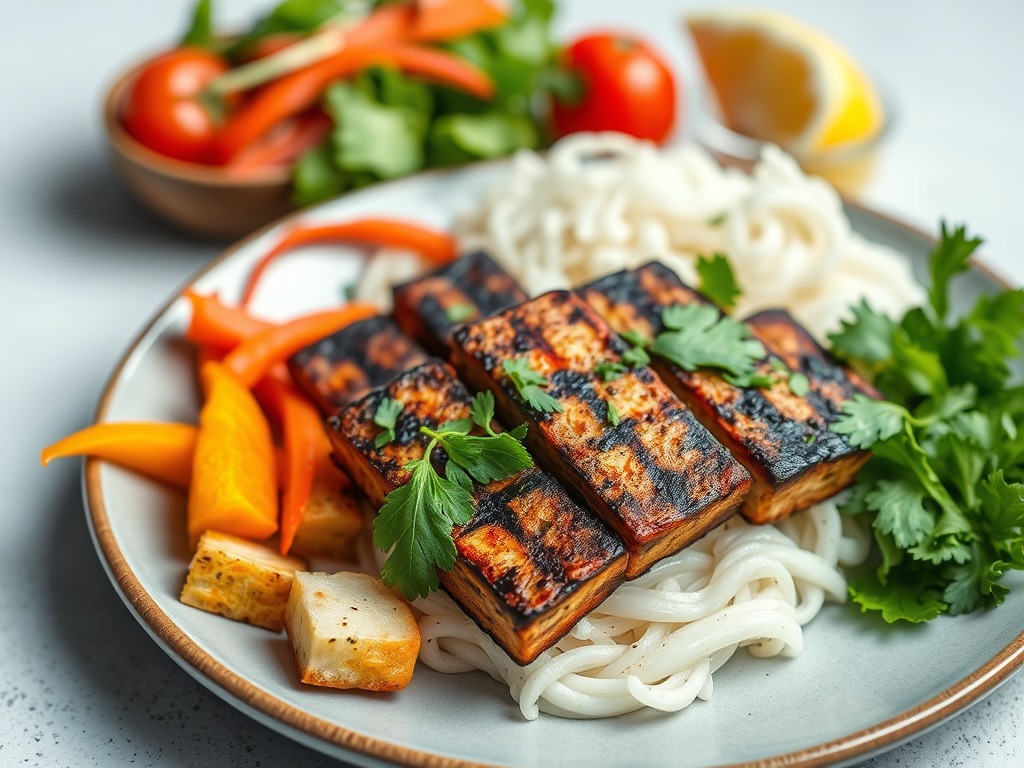
- Tempeh BLT
- Tempeh or Tofu Tacos
- Miso Peanut Noodles with Fried Tempeh
- Orange Fried Tofu or General Tao’s Fried Tofu
- Marinated Baked Tofu with Nutritional Yeast
- Macaroni with Miso Carrot Sauce
- Add Edamame beans to a salad or an added protein boost

I hope that this post was informative. If you have any other questions please don’t hesitate to ask. My family and I have been incorporating soy in our lives for many years and we love it!!

 My Plant-Based Family
Leave a comment